Buy Ethereum With Gift Card ❲Exclusive Deal❳

The intersection of traditional retail value and the decentralized digital economy is most visible in the niche practice of trading gift cards for Ethereum. While seemingly a simple swap of "store credit" for "programmable money," this transaction represents a complex interplay of peer-to-peer (P2P) market dynamics, risk management, and the persistent desire for financial pseudonymity. The Mechanics of the Exchange

However, this accessibility is a double-edged sword. The P2P gift card market is a notorious frontier for fraud. Scammers often use "chargeback" tricks or provide drained cards, while dishonest sellers may attempt to hold ETH hostage after the code is redeemed. The lack of a central clearinghouse means that "code for crypto" is a high-trust exercise in a low-trust environment. The Philosophical Shift buy ethereum with gift card

This premium exists because gift cards are "low-liquidity" and "high-risk" assets for the seller. A seller accepting an Amazon or Apple card takes on the risk of the card being revoked, reported stolen, or locked by the retailer. Thus, the buyer isn't just paying for Ethereum; they are paying a significant "risk premium" to the seller for accepting a volatile form of payment. The Paradox of Accessibility and Risk The intersection of traditional retail value and the

For many, the gift card route is a necessity rather than a choice. In regions with "underbanked" populations or strict capital controls, gift cards serve as a bridge to the global economy. They allow individuals without credit cards or bank accounts to convert physical labor or local currency into a borderless digital asset. The P2P gift card market is a notorious frontier for fraud

Unlike purchasing Ethereum (ETH) via a bank transfer on a centralized exchange like Coinbase or Kraken, buying ETH with a gift card requires a P2P marketplace—such as Paxful or Noones. In these ecosystems, the gift card acts as a form of "primitive currency." The process typically follows a specific ritual:

The buyer provides the gift card code (and often a photo of the physical card and receipt).

Buying Ethereum with a gift card is a gritty, expensive, and often risky maneuver. Yet, it remains a vital artery for the crypto ecosystem. It proves that as long as an asset has perceived value—whether it’s a plastic card from a grocery store or a digital token on a blockchain—there will always be a market ready to facilitate the exchange, bypassing the traditional gates of global finance.
The intersection of traditional retail value and the decentralized digital economy is most visible in the niche practice of trading gift cards for Ethereum. While seemingly a simple swap of "store credit" for "programmable money," this transaction represents a complex interplay of peer-to-peer (P2P) market dynamics, risk management, and the persistent desire for financial pseudonymity. The Mechanics of the Exchange

However, this accessibility is a double-edged sword. The P2P gift card market is a notorious frontier for fraud. Scammers often use "chargeback" tricks or provide drained cards, while dishonest sellers may attempt to hold ETH hostage after the code is redeemed. The lack of a central clearinghouse means that "code for crypto" is a high-trust exercise in a low-trust environment. The Philosophical Shift

This premium exists because gift cards are "low-liquidity" and "high-risk" assets for the seller. A seller accepting an Amazon or Apple card takes on the risk of the card being revoked, reported stolen, or locked by the retailer. Thus, the buyer isn't just paying for Ethereum; they are paying a significant "risk premium" to the seller for accepting a volatile form of payment. The Paradox of Accessibility and Risk

For many, the gift card route is a necessity rather than a choice. In regions with "underbanked" populations or strict capital controls, gift cards serve as a bridge to the global economy. They allow individuals without credit cards or bank accounts to convert physical labor or local currency into a borderless digital asset.

Unlike purchasing Ethereum (ETH) via a bank transfer on a centralized exchange like Coinbase or Kraken, buying ETH with a gift card requires a P2P marketplace—such as Paxful or Noones. In these ecosystems, the gift card acts as a form of "primitive currency." The process typically follows a specific ritual:

The buyer provides the gift card code (and often a photo of the physical card and receipt).

Buying Ethereum with a gift card is a gritty, expensive, and often risky maneuver. Yet, it remains a vital artery for the crypto ecosystem. It proves that as long as an asset has perceived value—whether it’s a plastic card from a grocery store or a digital token on a blockchain—there will always be a market ready to facilitate the exchange, bypassing the traditional gates of global finance.

SEJA RÁPIDO! PROMOÇÃO ACABA HOJE, !


buy ethereum with gift card

ATENÇÃO!

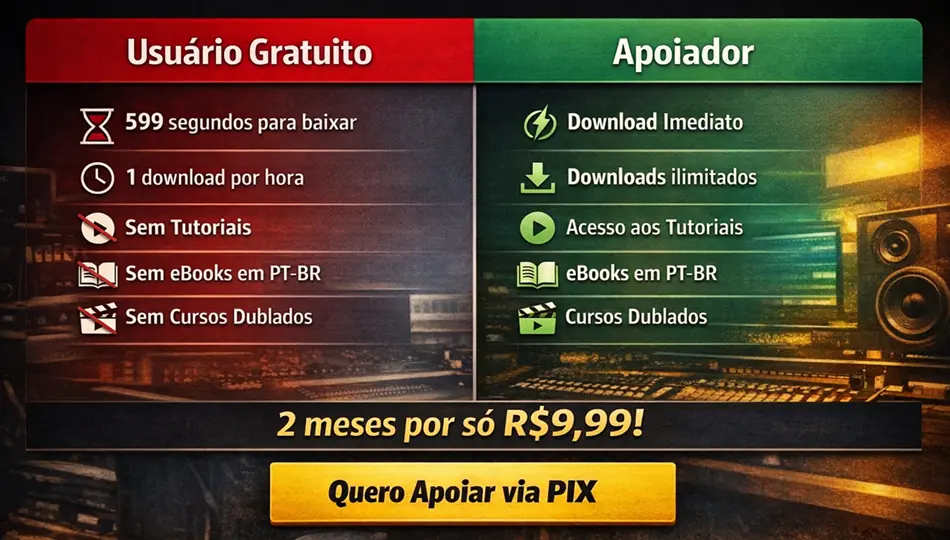
Ao apoiar, insira seu e-mail ou nome de usuário no campo ‘Mensagem’ para ativar sua conta rapidamente.

No campo ‘Valor’, digite o valor do plano escolhido.

Você precisa criar uma conta

Primeiro, você precisa criar sua conta antes de efetuar o pagamento.

Já possui uma conta? Faça o login.

IMPORTANTE: você deve colocar o seu e-mail lá no campo "Mensagem" do tipa.ai para receber os Drum Kits.

Ao clicar em Comprar, você será redirecionado ao site do TIPA.AI. Quando estiver na página da plataforma, insira corretamente seu nome e, no campo Mensagem, digite o E-mail que deseja receber os Drum Kits.

Depois, basta digitar R$34,99 no campo Valor e clicar no botão Tipar. Após isso, o TIPA.AI irá gerar o PIX Copia e Cola. Basta clicar em Copiar código para efetuar o pagamento no aplicativo do seu banco. Caso esteja pelo computador, o TIPA.AI irá gerar um QR Code. Basta entrar na Área PIX do aplicativo de seu banco e pagar com QR Code.

Os Drum Kits serão enviados em no máximo 24h.

Ouça os timbres