: A series of increasingly erratic logs written by an anonymous hiker.
In the corners of urban legend forums and obscure file-sharing sites, a single compressed folder has begun to circulate with an unassuming name: . At first glance, it looks like a collection of vacation photos or perhaps a forgotten indie game project. However, those who have dared to unpack it describe an experience that blurs the line between digital media and psychological horror. 1. The Contents of the Archive
What makes The Hike stand out from typical "lost footage" tropes is its interactivity. The executable file isn’t just a game; it’s an immersive narrative. Players report that the environment in the simulation changes based on how long they spend looking at the static .jpg files in the root folder. As the "Journal" progresses from excitement about the outdoors to a desperate search for a way out, the simulation becomes more claustrophobic, with the trees appearing to move closer every time the player turns around. 3. The "Meta" Element
Upon opening the zip file, users are typically greeted by a series of numbered folders, each representing a "day" of a journey. The file structure includes:
: Highly atmospheric, grainy photos of a dense, unnamed forest.
The true chill of The.Hike.zip comes from its meta-narrative. Some users claim that after deleting the file, a new document appears on their desktop named Return.txt , containing coordinates to a real-world trailhead. This blend of "Alternate Reality Game" (ARG) elements and traditional horror has made it a viral sensation among fans of the "analog horror" genre. 4. Is It Real?
While many speculate that The Hike is a clever marketing campaign for an upcoming horror film or a solo-developed indie game, its creator remains anonymous. Whether it’s an elaborate piece of digital art or something more mysterious, the file serves as a reminder of how much dread can be packed into a simple .zip archive.
: A low-fidelity, first-person simulation that recreates the trail seen in the photographs. 2. A Descent into the Uncanny
MASSAGE
SEND
×The message has been sent!
In the near future we will reply to you.
Regards WDS
|
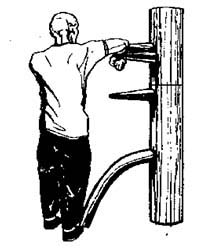
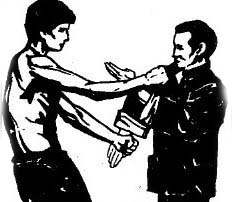
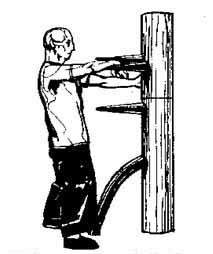
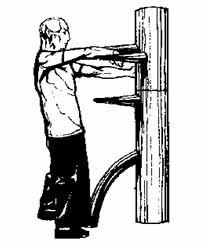
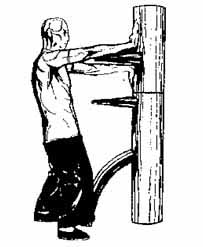
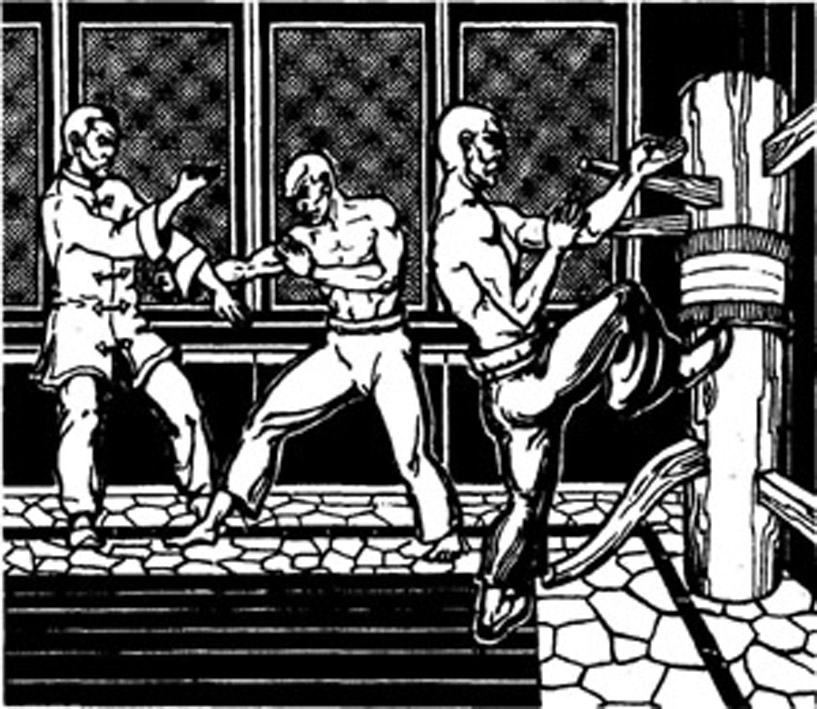
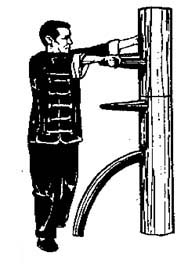
The Dummy - a versatile design, the system of life and knowledge generated of nowhere. The story of the dummy requires a separate investigation and treatment of the ancient treatises, and primary sources. But enough evidence to suggest that the history of a WD the longer of Wing Chun history as an independent style. Will there be a dummy to before create a Wing Chun or Wing Chun has appeared before - difficult to resolve the problem, which requires special studies.
|
| SECTION 1 | ||
![]() |
![]() |
![]() |
![]() |
![]() |
![]() |
![]() |
![]() |
![]() |
![]() |
![]() ![]() |
![]() |
![]() |
![]() |
![]() |
![]() |
![]() ![]() |
![]() |
![]() |
![]() ![]() |
![]() |
![]() |
![]() |
![]() |
![]() |
![]() |
![]() |
![]() |
![]() |
![]() |
| SECTION 2 | ||
![]() |
![]() |
![]() |
![]() |
![]() |
![]() |
![]() |
![]() |
![]() |
![]() |
![]() ![]() |
![]() |
![]() |
![]() |
![]() |
![]() |
![]() ![]() |
![]() |
![]() |
![]() ![]() |
![]() |
![]() |
![]() |
![]() |
![]() |
![]() |
![]() |
![]() |
![]() |
![]() |
| SECTION 3 | ||
![]() |
![]() |
![]() |
![]() |
![]() |
![]() |
![]() |
![]() |
![]() |
![]() |
![]() |
![]() |
![]() |
![]() |
![]() |
![]() |
![]() ![]() |
![]() |
![]() |
![]() |
![]() |
![]() |
![]() |
![]() |
![]() |
![]() ![]() |
![]() |
![]() |
||
| SECTION 4 | ||
![]() |
![]() |
![]() |
![]() |
![]() |
![]() |
![]() |
![]() |
![]() |
![]() |
![]() |
![]() |
![]() |
![]() ![]() |
![]() |
![]() |
![]() |
![]() |
![]() |
![]() |
![]() |
![]() |
![]() |
![]() |
![]() |
![]() |
![]() |
| SECTION 5 | ||
![]() |
![]() ![]() |
![]() |
![]() |
![]() ![]() |
![]() |
![]() |
![]() ![]() |
![]() |
![]() |
![]() ![]() |
![]() |
![]() |
![]() ![]() |
![]() |
![]() |
![]() ![]() |
![]() |
![]() |
![]() |
![]() |
![]() |
![]() |
![]() |
![]() |
![]() |
![]() |
![]() |
![]() |
![]() |
![]() |
![]() |
![]() |
![]() |
![]() |
![]() |
![]() |
![]() |
![]() |
![]() |
![]() |
![]() |
![]() |
![]() |
![]() |
![]() |
![]() |
![]() |
![]() |
![]() ![]() |
![]() |
![]() |
![]() |
![]() |
![]() |
![]() ![]() |
![]() |
![]() |
![]() |
![]() |
![]() |
![]() |
![]() |
![]() |
![]() |
![]() |
| SECTION 6 | ||
![]() |
![]() |
![]() |
![]() |
![]() |
![]() |
![]() |
![]()
|
![]() |
![]() |
![]() |
![]() |
![]() |
![]() |
![]() |
![]() |
![]() ![]() |
![]() |
![]() |
![]() |
![]() |
![]() |
![]() ![]()
|
![]() |
![]() |
![]() |
![]() |
![]() |
![]() ![]()
|
![]() |
![]() |
![]() |
![]() |
![]() |
![]() ![]()
|
![]() |
![]() |
![]() |
![]() |
![]() |
![]() |
![]() |
![]() |
![]() |
![]() |
| SECTION 7 | ||
![]() |
![]() |
![]() |
![]() |
![]() |
![]() |
![]() |
![]() |
![]() |
![]() |
![]() ![]() |
![]() |
![]() |
![]() |
![]() |
![]() |
![]() |
![]() |
![]() |
![]() ![]() |
![]() |
![]() |
![]() |
![]() |
![]() |
![]() |
![]() |
![]() |
![]() ![]() |
![]() |
![]() |
![]() |
![]() |
![]() |
![]() ![]() |
![]() |
![]() |
![]() |
![]() |
![]() |
![]() |
![]() |
![]() |
![]() |
![]() |
| SECTION 8 | ||
![]() |
![]() |
![]() |
![]() |
![]() |
![]() |
![]() |
![]() |
![]() |
![]() |
![]() ![]() |
![]() |
![]() |
![]() |
![]() |
![]() |
![]() |
![]() |
![]() |
![]() |
![]() |
![]() |
![]() |
![]() |
![]() |
![]() ![]() |
![]() |
![]() |
![]() |
![]() |
![]() |
![]() |
![]() |
![]() |
![]() ![]() |
![]() |
![]() |
![]() |
![]() |
![]() |
![]() ![]() |
![]() |
![]() |
![]() |
![]() |
![]() |
![]() ![]() |
![]() |
![]() |
![]() |
![]() |
![]() |
![]() ![]() |
![]() |
![]() |
![]() |
![]() |
![]() |
![]() ![]() |
![]() |
![]() |
![]() |
![]() |
![]() |
![]() |
![]() |
![]() |
![]() |
![]() |
![]() |
![]() |
![]() |
![]() |
![]() |
![]() |
: A series of increasingly erratic logs written by an anonymous hiker.
In the corners of urban legend forums and obscure file-sharing sites, a single compressed folder has begun to circulate with an unassuming name: . At first glance, it looks like a collection of vacation photos or perhaps a forgotten indie game project. However, those who have dared to unpack it describe an experience that blurs the line between digital media and psychological horror. 1. The Contents of the Archive
What makes The Hike stand out from typical "lost footage" tropes is its interactivity. The executable file isn’t just a game; it’s an immersive narrative. Players report that the environment in the simulation changes based on how long they spend looking at the static .jpg files in the root folder. As the "Journal" progresses from excitement about the outdoors to a desperate search for a way out, the simulation becomes more claustrophobic, with the trees appearing to move closer every time the player turns around. 3. The "Meta" Element File: The.Hike.zip ...
Upon opening the zip file, users are typically greeted by a series of numbered folders, each representing a "day" of a journey. The file structure includes:
: Highly atmospheric, grainy photos of a dense, unnamed forest. : A series of increasingly erratic logs written

The true chill of The.Hike.zip comes from its meta-narrative. Some users claim that after deleting the file, a new document appears on their desktop named Return.txt , containing coordinates to a real-world trailhead. This blend of "Alternate Reality Game" (ARG) elements and traditional horror has made it a viral sensation among fans of the "analog horror" genre. 4. Is It Real?
While many speculate that The Hike is a clever marketing campaign for an upcoming horror film or a solo-developed indie game, its creator remains anonymous. Whether it’s an elaborate piece of digital art or something more mysterious, the file serves as a reminder of how much dread can be packed into a simple .zip archive. However, those who have dared to unpack it

: A low-fidelity, first-person simulation that recreates the trail seen in the photographs. 2. A Descent into the Uncanny