Ancient Roman and Greek sacrifices often involved formal banquets where meat and wine were shared with the gods to establish a divine hierarchy. 2. Historical and Archaeological Perspectives
The "Sacrificio de la Misa" (Sacrifice of the Mass) is central to Catholic theology. It is viewed as an unbloody continuation of Christ’s ultimate sacrifice on the cross for human redemption. Detailed guides like the General Instruction of the Roman Missal explain its ritual importance. Sacrificio
The story of the "Binding of Isaac" serves as a pivotal transition, where animal sacrifice (a ram) replaced human sacrifice, symbolizing obedience to God. It is viewed as an unbloody continuation of
In religious contexts, "Sacrificio" represents an act of offering to a higher power, often to seek favor, express gratitude, or achieve atonement.
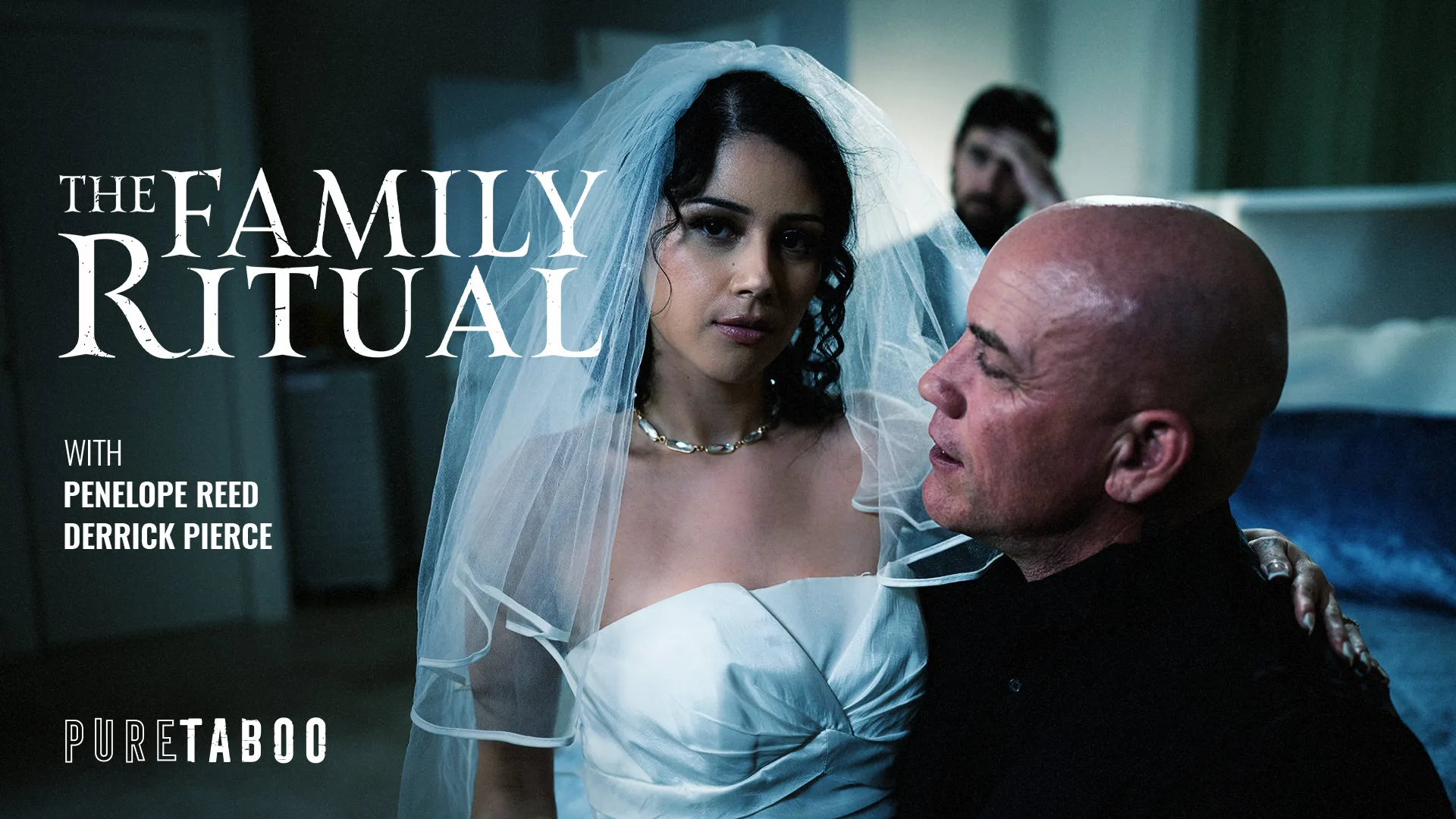
The wedding reception's dying down in Derrick Pierce's sprawling house, champagne flutes clinking like hollow promises. Penelope Reed, still glowing in her white dress, tugs at Wyatt West's arm—her new husband, all boyish grins and rumpled tux. 'Let's slip away,' she whispers, eyes hungry for their night. But Wyatt freezes, shakes his head. 'Not yet. We owe Derrick a proper thank-you. He's bankrolled everything—house, future, the works.'
They find Derrick in the study, leather chair creaking under his broad frame, cigar smoke curling like a serpent. Polite nods turn sharp when Derrick lays it out, voice gravelly and unyielding. 'Tradition's tradition, boy. I foot the bill, make sure you're set for life. In return, I pass on my genes—to her.' He nods at Penelope, eyes stripping her bare. 'You fuck her tonight, Wyatt. Not you.'
Penelope's world tilts. Shock hits like a gut punch—her wedding night, stolen? Wyatt just nods, sheepish, like it's scripted. 'It's how it works, Pen. He raised me after Mom... you know. This seals it.' She stammers protests, cheeks burning, but Derrick's gaze pins her, promises of security dangle like forbidden fruit. Hesitation cracks under the weight—curiosity? Desperation? She nods, pulse hammering.
Derrick wastes no time. He yanks her close, lips crashing against hers, rough hands hiking up that virginal dress. Fabric tears with a satisfying rip. Wyatt watches from the corner, breath ragged, as Derrick bends her over the desk—papers scattering like confetti from hell. He thrusts in deep, claiming her with brutal rhythm, her gasps echoing off the walls. Penelope's body betrays her, arching into it, moans spilling out unbidden. Wyatt's eyes lock on the scene, a twisted mix of envy and thrill, as Derrick grunts his release, seeding her right there—tradition etched in sweat and sin.
The wedding reception's dying down in Derrick Pierce's sprawling house, champagne flutes clinking like hollow promises. Penelope Reed, still glowing in her white dress, tugs at Wyatt West's arm—her new husband, all boyish grins and rumpled tux. 'Let's slip away,' she whispers, eyes hungry for their night. But Wyatt freezes, shakes his head. 'Not yet. We owe Derrick a proper thank-you. He's bankrolled everything—house, future, the works.'
They find Derrick in the study, leather chair creaking under his broad frame, cigar smoke curling like a serpent. Polite nods turn sharp when Derrick lays it out, voice gravelly and unyielding. 'Tradition's tradition, boy. I foot the bill, make sure you're set for life. In return, I pass on my genes—to her.' He nods at Penelope, eyes stripping her bare. 'You fuck her tonight, Wyatt. Not you.'
Penelope's world tilts. Shock hits like a gut punch—her wedding night, stolen? Wyatt just nods, sheepish, like it's scripted. 'It's how it works, Pen. He raised me after Mom... you know. This seals it.' She stammers protests, cheeks burning, but Derrick's gaze pins her, promises of security dangle like forbidden fruit. Hesitation cracks under the weight—curiosity? Desperation? She nods, pulse hammering.
Derrick wastes no time. He yanks her close, lips crashing against hers, rough hands hiking up that virginal dress. Fabric tears with a satisfying rip. Wyatt watches from the corner, breath ragged, as Derrick bends her over the desk—papers scattering like confetti from hell. He thrusts in deep, claiming her with brutal rhythm, her gasps echoing off the walls. Penelope's body betrays her, arching into it, moans spilling out unbidden. Wyatt's eyes lock on the scene, a twisted mix of envy and thrill, as Derrick grunts his release, seeding her right there—tradition etched in sweat and sin.