GetDataBack Pro
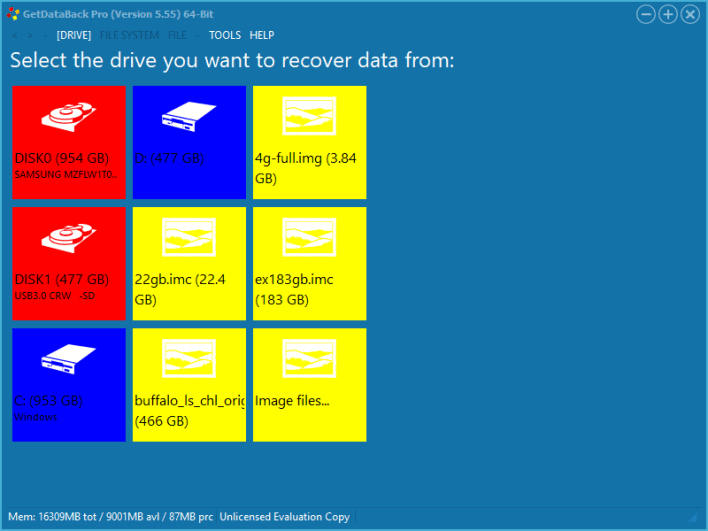
Select drive or image
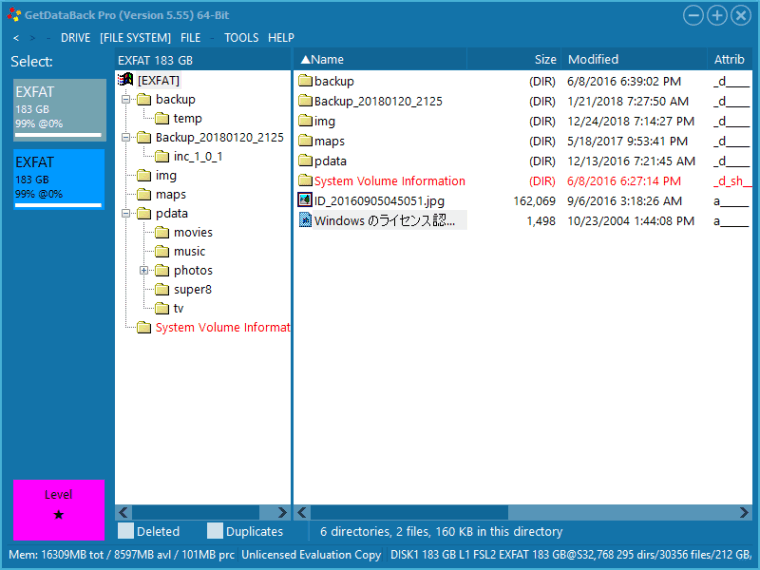
Our flagship product, GetDataBack Pro, is our most powerful data recovery software. It is lightning-fast and supports NTFS, FAT, exFAT, EXT, HFS+, and APFS.
The "real-time" requirement of social interaction has faded. Asynchronous communication (voice notes, comments, stories) allows individuals to curate their responses and interact on their own timelines. While this reduces the pressure of immediate reaction, it also changes the nature of spontaneity, making social life feel more like a "performance" or a "gallery" of curated moments. 4. The Impact of AI and Synthetic Socializing
Traditional social interaction was often dictated by geography (neighbors, classmates). Today, interaction is driven by . Communities are now hyper-specific—ranging from AI enthusiasts and obscure hobbyists to global activist movements. These digital tribes provide a sense of belonging that is often deeper than one’s immediate physical environment. 3. Asynchronous Connection The "real-time" requirement of social interaction has faded
We are entering an era where social interaction isn't exclusively human-to-human. Interactions with AI companions, chatbots, and virtual influencers are becoming normalized. This raises profound questions about empathy and the "quality" of connection when one party is an algorithm designed to provide a frictionless experience. 5. The "Third Place" Moves Online interaction is driven by .
Sociologist Ray Oldenburg’s concept of the "Third Place" (cafes, libraries, pubs) has migrated to platforms like Discord, gaming lobbies, and the Metaverse. These digital spaces serve as the primary venues for relaxation and informal social life, especially for younger generations who prioritize digital presence over physical gathering. Conclusion The "real-time" requirement of social interaction has faded
The "real-time" requirement of social interaction has faded. Asynchronous communication (voice notes, comments, stories) allows individuals to curate their responses and interact on their own timelines. While this reduces the pressure of immediate reaction, it also changes the nature of spontaneity, making social life feel more like a "performance" or a "gallery" of curated moments. 4. The Impact of AI and Synthetic Socializing
Traditional social interaction was often dictated by geography (neighbors, classmates). Today, interaction is driven by . Communities are now hyper-specific—ranging from AI enthusiasts and obscure hobbyists to global activist movements. These digital tribes provide a sense of belonging that is often deeper than one’s immediate physical environment. 3. Asynchronous Connection
We are entering an era where social interaction isn't exclusively human-to-human. Interactions with AI companions, chatbots, and virtual influencers are becoming normalized. This raises profound questions about empathy and the "quality" of connection when one party is an algorithm designed to provide a frictionless experience. 5. The "Third Place" Moves Online
Sociologist Ray Oldenburg’s concept of the "Third Place" (cafes, libraries, pubs) has migrated to platforms like Discord, gaming lobbies, and the Metaverse. These digital spaces serve as the primary venues for relaxation and informal social life, especially for younger generations who prioritize digital presence over physical gathering. Conclusion