View Script -

Below is an essay focusing on the more conceptual and widely applicable theme: The View Script: Bridging Action and Perception

In the digital age, the term "view script" represents a critical bridge between raw data or ideas and the final experience of an audience. Whether it is a SQL command generating a specific perspective on a database or a screenwriter’s blueprint for a visual scene, a view script is fundamentally an instrument of focus. It dictates not just what is seen, but how it is interpreted, making it a cornerstone of both modern technology and creative storytelling. View script

Despite their different applications, both forms of view scripts share a common goal: the management of perspective. In both fields, the script is a set of instructions that transforms a chaotic or massive source—be it millions of rows of data or an abstract story idea—into a structured, meaningful experience. They are the "invisible hand" of the creator, guiding the end-user or viewer toward a specific conclusion or emotional response. Below is an essay focusing on the more

In the realm of computer science, specifically within database management, a "view" is a virtual table representing the result of a stored query. The "view script" is the code that defines this perspective. Its primary purpose is abstraction and security. By using a view script, developers can present simplified, relevant subsets of data to users without exposing the underlying complexities or sensitive information of the entire database. In this sense, the view script acts as a filter, ensuring that the user interacts with a tailored, efficient version of reality. It proves that in a world of "big data," the ability to curate a specific viewpoint is more valuable than the data itself. Despite their different applications, both forms of view

In a creative context, a view script—often referred to as a "shooting script" or "scene breakdown"—serves a similar functional purpose. While a standard script provides dialogue and action, the view-oriented script provides the visual and technical instructions necessary to translate a story into a medium. It dictates camera angles, lighting cues, and the physical perspective of the viewer. Just as a database view script filters data, a cinematic view script filters the narrative, forcing the audience to look at a character's grief through a "close-up" or the vastness of a setting through a "wide shot."

It is important to clarify that "View Script" is a broad term that can apply to several different contexts, most commonly in (databases or web development) and creative writing (film and theater).
Below is an essay focusing on the more conceptual and widely applicable theme: The View Script: Bridging Action and Perception

In the digital age, the term "view script" represents a critical bridge between raw data or ideas and the final experience of an audience. Whether it is a SQL command generating a specific perspective on a database or a screenwriter’s blueprint for a visual scene, a view script is fundamentally an instrument of focus. It dictates not just what is seen, but how it is interpreted, making it a cornerstone of both modern technology and creative storytelling.

Despite their different applications, both forms of view scripts share a common goal: the management of perspective. In both fields, the script is a set of instructions that transforms a chaotic or massive source—be it millions of rows of data or an abstract story idea—into a structured, meaningful experience. They are the "invisible hand" of the creator, guiding the end-user or viewer toward a specific conclusion or emotional response.

In the realm of computer science, specifically within database management, a "view" is a virtual table representing the result of a stored query. The "view script" is the code that defines this perspective. Its primary purpose is abstraction and security. By using a view script, developers can present simplified, relevant subsets of data to users without exposing the underlying complexities or sensitive information of the entire database. In this sense, the view script acts as a filter, ensuring that the user interacts with a tailored, efficient version of reality. It proves that in a world of "big data," the ability to curate a specific viewpoint is more valuable than the data itself.

In a creative context, a view script—often referred to as a "shooting script" or "scene breakdown"—serves a similar functional purpose. While a standard script provides dialogue and action, the view-oriented script provides the visual and technical instructions necessary to translate a story into a medium. It dictates camera angles, lighting cues, and the physical perspective of the viewer. Just as a database view script filters data, a cinematic view script filters the narrative, forcing the audience to look at a character's grief through a "close-up" or the vastness of a setting through a "wide shot."

It is important to clarify that "View Script" is a broad term that can apply to several different contexts, most commonly in (databases or web development) and creative writing (film and theater).

ようこそ
BIOHAZARD PORTALへ!

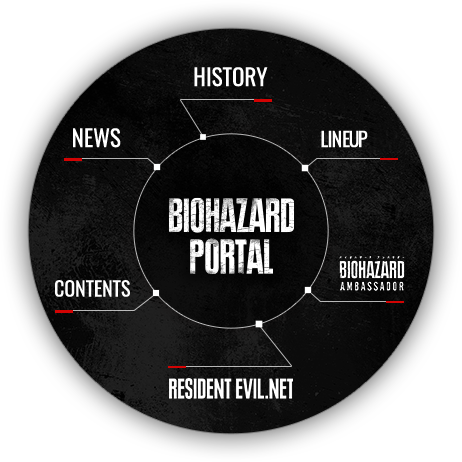
「バイオハザード ポータル」とは、バイオハザードの最新情報はもちろん、バイオハザードファンもまだそうでない方でも楽しめるさまざまなコンテンツや、世界中のバイオハザードプレイヤーのデータなどをお届けする「バイオハザード」のブランドサイトです。
CAPCOM IDでログインして全てのコンテンツを楽しもう! 今すぐ登録!

BIOHAZARD PORTAL

サイト統合、認証システム変更について

本サイトは、BIOHAZARDシリーズ公式サイト、BIOHAZARD CLUB96、 BIOHAZARD AMBASSADOR PROGRAM、
RESIDENT EVIL.NET、RESIDENT EVIL PORTALのサイトを統合しております。

本サイトについて

通信エラーが発生しました (エラーコード: UAP0001)

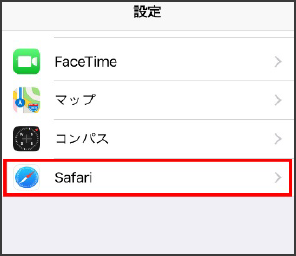
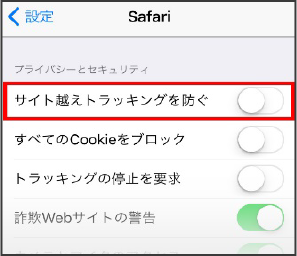
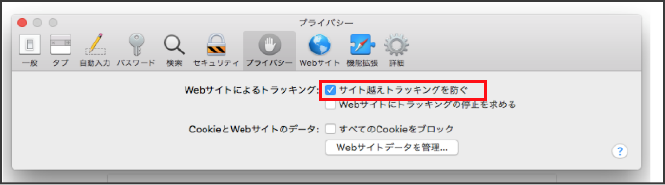
Safariをご利用の方へ
ご利用のブラウザがSafariの場合、"バイオハザードアンバサダープログラム"が
正常に動作しない可能性があります。
その際は、以下のいずれかの方法にてご利用願います。