Literature

Zakazhi Obrazcy [ Top 20 GENUINE ]

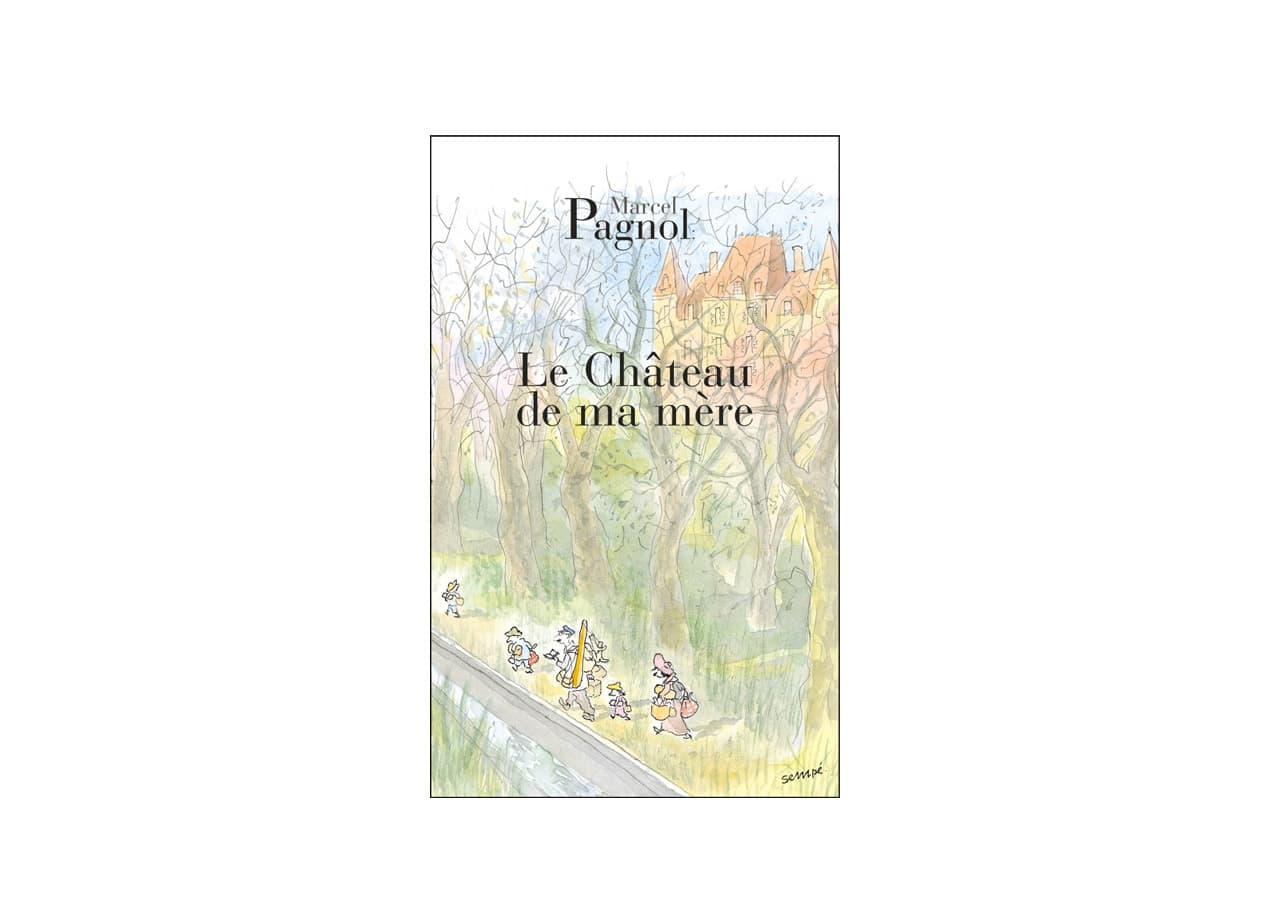
The most beautiful book on child friendship: one morning while hunting in the hills, Marcel meets the little peasant, Lili des Bellons. His vacations and his whole life will be illuminated by it.

The most beautiful book about childhood friendship.

Summary

One year after La Gloire de mon père (My Father’s Glory), Marcel Pagnol thought he would conclude his childhood memories with this Château de ma mère (1958), the second part of what he considered as a diptych, ending with the famous scene of the ferocious guardian frightening the timid Augustine. Little Marcel, after the family tenderness, discovered friendship with the wonderful Lili, undoubtedly the most endearing of his characters. The book closes with a melancholic epilogue, a poignant elegy to the time that has passed. In it, Pagnol strikes a chord of gravity to which he has rarely accustomed his readers.

Hey friend! “
I saw a boy about my age looking at me sternly. You shouldn’t touch other people’s traps,” he said. “A trap is sacred!
” 

– “I wasn’t going to take it,” I said. “I wanted to see the bird.” 

He approached: “it was a small peasant. He was, brown, with a fine Provencal face, black eyes and long girlish lashes.”

Buy online

You will also like:

Zakazhi Obrazcy [ Top 20 GENUINE ]

It smelled of damp earth and cedar. When Viktor ran his hand over it, he didn't just see a chair; he saw a forest sanctuary.

It wasn't just a color; it had a depth that seemed to absorb the studio’s harsh light, turning it into a soft, velvety glow. The Raw Ochre Swatch: It felt like sun-warmed stone.

translates from Russian as "Order Samples." In a business or creative context, this phrase often serves as the "Inciting Incident"—the moment a character decides to take a risk on a new idea or material. The Story: The Fabric of Fate zakazhi obrazcy

Viktor kept the original three swatches framed above his desk. They were a reminder that sometimes, the biggest transformations start with a single, curious click to see what else is out there.

Two weeks later, a battered wooden crate arrived. Inside were no glossy brochures or plastic-wrapped swatches. Instead, there were three thick, hand-woven squares of fabric. It smelled of damp earth and cedar

He used the moss green swatch to create a prototype for a local gallery owner. When she touched the fabric, she didn't ask about the price—she asked about the story. Within a month, the "Samples" had turned into a full production line.

Viktor didn't sleep that night. He draped the samples over an old wooden frame. The "Order Samples" button had been a gateway. By morning, he realized he wasn't just making furniture anymore; he was importing a piece of the world his customers didn't know they were missing. The Raw Ochre Swatch: It felt like sun-warmed stone

The fluorescent lights of the studio hummed, a sharp contrast to the silence of Viktor’s bank account. For months, his boutique upholstery business had been stalled. He had the vision—minimalist, mid-century modern designs—but lacked the "soul." Every fabric he touched felt common, mass-produced, and lifeless.
It smelled of damp earth and cedar. When Viktor ran his hand over it, he didn't just see a chair; he saw a forest sanctuary.

It wasn't just a color; it had a depth that seemed to absorb the studio’s harsh light, turning it into a soft, velvety glow. The Raw Ochre Swatch: It felt like sun-warmed stone.

translates from Russian as "Order Samples." In a business or creative context, this phrase often serves as the "Inciting Incident"—the moment a character decides to take a risk on a new idea or material. The Story: The Fabric of Fate

Viktor kept the original three swatches framed above his desk. They were a reminder that sometimes, the biggest transformations start with a single, curious click to see what else is out there.

Two weeks later, a battered wooden crate arrived. Inside were no glossy brochures or plastic-wrapped swatches. Instead, there were three thick, hand-woven squares of fabric.

He used the moss green swatch to create a prototype for a local gallery owner. When she touched the fabric, she didn't ask about the price—she asked about the story. Within a month, the "Samples" had turned into a full production line.

Viktor didn't sleep that night. He draped the samples over an old wooden frame. The "Order Samples" button had been a gateway. By morning, he realized he wasn't just making furniture anymore; he was importing a piece of the world his customers didn't know they were missing.

The fluorescent lights of the studio hummed, a sharp contrast to the silence of Viktor’s bank account. For months, his boutique upholstery business had been stalled. He had the vision—minimalist, mid-century modern designs—but lacked the "soul." Every fabric he touched felt common, mass-produced, and lifeless.