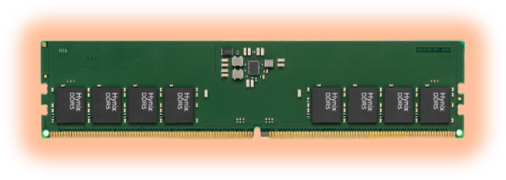
Buy SK hynix SDRAM Modules

Windows 7, released by Microsoft in 2009, stands as one of the most successful operating systems in computing history, famously correcting the missteps of its predecessor, Windows Vista. Central to its versatility was the offering of two distinct architectures: 32-bit (x86) and 64-bit (x64). This dual-approach was not merely a choice of software version but a fundamental bridge between the legacy computing of the past and the high-performance demands of the modern era. The Architecture of Memory: 32-bit vs. 64-bit
Performance-wise, the 64-bit architecture enabled the CPU to process more data per clock cycle. While a simple word processor might not feel different, gaming and scientific computing saw "significant improvements" as they leveraged the wider data path and increased registers of the 64-bit environment. Conclusion: A Legacy of Choice windows-7-32-64
The primary distinction between these two versions lies in how the processor handles information. A 32-bit system is limited by its address space, effectively capping usable Random Access Memory (RAM) at roughly . For the late 2000s, this was often sufficient, but as software grew more complex, this ceiling became a bottleneck. Windows 7, released by Microsoft in 2009, stands
One of the greatest triumphs of Windows 7 64-bit was its backward compatibility. Through a subsystem known as (Windows 32-bit on Windows 64-bit), users could run older 32-bit applications alongside newer 64-bit ones. This led to the iconic dual-folder structure in the C: drive: Program Files: Reserved for native 64-bit applications. Program Files (x86): The home for legacy 32-bit software. The Architecture of Memory: 32-bit vs

SMARTsemi
39870 Eureka Dr.
Newark, CA 94560
TEL: 877-794-2749